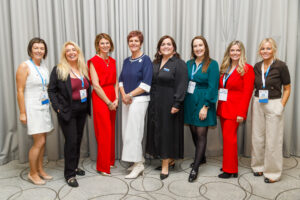
North West Hospice Charity hosted Explorations: 4th National Palliative Care Conference on October 9th in the Sligo Park Hotel in collaboration with HSE West/North West
This year’s theme, “Palliative Care in a Community Setting”, brought together leading experts and healthcare professionals to explore how compassionate, high-quality palliative care could be delivered outside traditional hospital settings.
The conference featured contributions from national and international leaders in palliative care, with sessions on the implementation of Ireland’s National Palliative Care Policy, innovative models such as the Virtual Palliative Care Ward, the role of community paramedics, and the importance of communication, compassion, and cultural traditions in end-of-life care.
Highlights included keynote presentations by Dr Feargal Twomey (HSE/RCPI National Clinical Lead for Palliative Care), Dr Amy Gadoud (Lancaster University, UK), and Winifred Ryan (National Healthcare Communication Programme), as well as insights from nurses, paramedics and undertakers shaping the future of care.
The day-long event also featured an interactive session for a number of delegates of a Virtual Dementia Experience. This experience bought in from the UK was an immersive, simulation-based training program designed to help delegates understand what it is like to live with dementia. One delegate said “It is the most powerful and memorable training I have ever done and should be available to all healthcare staff”.
There was a special performance by the talented St John’s National School Choir who along with their teachers Enya Mc Cafferty & Avril O Hanlon received a standing ovation. Navigation Coach Tara Rafter had delegates on their feet for a second time through her motivational final presentation exploring how to navigate your life’s compass. Closing remarks were delivered by Maurice Dillon, National HSE Lead for Palliative Care.
Speaking about the event, Jess Kelly, Director of Nursing said:
“The conference was about ensuring that patients receive the best possible palliative care in their preferred setting within the community — whether that be their own home, a nursing home, or a community hospital by promoting collaboration, sharing best practices, and enhancing quality and accessibility of care. By sharing learning and experience, we can continue to build compassionate, responsive, and person-centred services.”